Cutting Through Brand Marko-babble.

0

“Brand identities create memorable distinction and differentiation in marketplaces in which meaningful functional product or service differentiation is increasingly impossible to secure. They help convey stories and meaning that assist decision-making, establish relevancy and positive disposition.”

This is a quote from a friend and really smart branding person. Someone who taught me a lot. It is true as true can be. It explains brand identity in a thoughtful, complete and rich way — yet it is a bit dense and suffers from what I call marko-babble. If you parse the sentence slowly it makes sense. It’s cogent. However, in branding circles where there is so much marko-babble quotes like this gets sucked right in.

I have worked really hard to take the marko-babble out of branding. I like to think I’ve simplified the definition and the outputs. Here are a couple of boil downs, in consumer language, for you to ponder.

A brand strategy is an “organizing principle for product, product experience and messaging.” (Some might argue product is the domain of product strategy and they would be right. But after the product is created, enhancements, extensions and evolutions need to be true to the brand strategy.)

A brand strategy is 1 claim and 3 proof (support) planks. Planks are populated by actual and future examples of what a company is great at and what consumers want most.

In sum, my branding meme is this: Branding is about claim and proof. Proof and deeds. Deeds and experiences. Strategically organized and tightly managed.

Marko-babble beware. Peace.


UBER brand strategy. ‘sup?

0

charger strom trooper

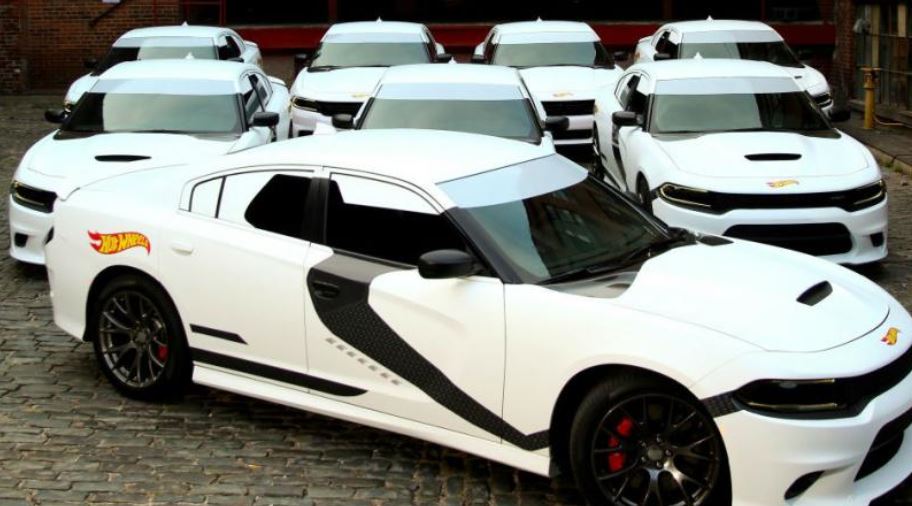
UBER is doing a really neat promotion in NYC, tying in to the new Star Wars movie. It is making 8 Dodge Chargers, painted to look like Mattel Hot Wheels Star Wars Storm Trooper cars (white with distinctive black striping), available for free for the day, providing you use the appropriate promo code. It’s really cool for Dodge, whose cars become roving brand billboards, and it’s a nice way to get UBER some excellent pub.

The promo made me wonder though about UBER’s brand strategy. I’m not sure I know what it is at this point. And that’s often okay for a first-to-category company. Your Is-Does becomes the brand claim a la “Your Ride, On Demand.” But without a brand strategy (1 claim, 3 proof planks), it’s hard to decide if a promotion is making a deposit in the brand bank or a withdrawal.  So this seems to me a promotion for promotion’s sake, not for strategy’s sake. Though I don’t know the Dodge Charger brand strategy, I’m feeling a proximity to it with this promotion. Storm troopers charge, no?

Start-ups and category pioneers need brand strategies. VCs should encourage this. It helps everyone make decisions about product, experience and messaging. UBER should have one.

Peace.          


Too early for breakfast.

0

There have been a number of times in my career when I’ve recommended big marketing ideas that were not approved – only to appear a few years later, often by a competitor.  

Some may grouse “better late than never,” others may rationalize the “timing wasn’t right,” but whatever your view of these opportunities missed, it’s important to learn from them. And never, never stop looking ahead for the next big one. “Too early for breakfast” and other after-the-fact bromides kill innovation. And marketing is nothing if not innovation.

I’m thinking it might be a good strategic exercise – perhaps a line in a brief – to ask yourself “What product innovation would be great for product or category growth, but maybe a little too early for its time? And why?”

I’ll try this out on my next assignment and report back as to its value.

Peace.


The Craft Economy Is Not Going Away.

0

craftsmanship

What would you rather have, one really good cup of strong, aromatic, nose curling coffee or 3 cups of watered down convenience store swill? How about one beer with a lovely malt taste, not over-hopped, and a rich, clean aftertaste or 3 PBRs. Last one, a plate of pasta with fresh backyard tomatoes, skinned and deseeded, a nice touch garlic and basil, sprinkled with Locatelli or a jar of Ragu?

If you favor the former, you are an appreciator of the craft economy. Where less is more, flavor is key and, sadly, the cost may be greater. It is mass production versus batch made. I’ve written this week about the craft economy and how it’s trickling into packaged goods. And how consumers are taking on more responsibility for preparation and doing it themselves. The craft economy allows us to remove unhealthy practices, preservatives and ingredients. It allows us to take more pride in our role in health and sustainability. In the craft economy we reuse more. We create more from scratch. It takes time. And as a result we may watch less TV, be less sedentary — and learn as we develop craftsmanship. Always be learning.

The craft economy helps us appreciate each other more, ourselves more and the planet more. It’s here to stay – and for all the right reasons.

Peace.


On-Demand or Craft Economy?

0

heathkit

When I was a kid my dad used to build electronic things. I recall him building an RDF (radio direction finder) for the boat at the dining room table. The product brand was called Heathkit. Like a piece of Ikea furniture, it came in a box with all the pieces and a nice tome of instructions. Solder this capacitor here, wire this framus there. It was early evidence of the craft economy — where craftsmanship is important.

The craft economy today is most easily understood through the lens of craft beer – a better tasting, more complex, more expensive kind of beer. Spawned by the home brewing phenomenon, it has taken a big chunk out of the mass-produced pasteurized brew business. Two days ago I posted a story about “Frozen Vs. Some Assembly Required” Meals – pointing to the craft economy as seen through a convenience lens. This morning I read a post by Sara Lacy at Pando about two start-ups: PlateJoy or Blue Apron. It’s another lesson in business tailored to the craft economy. She framed the business model as “on-demand,” I’ve scooched it into the craft economy. Either way, it’s part of our future. Check it out.

Peace.


Cause Strategy

0

It may be my age, it may be my level of wisdom, it may be age….didn’t I just say that…but a great many of my strategies lately contain an undercurrent of cause marketing. It’s as if my brief also has a line that says “What about this strategy will make the world a better place?” Back in the day my briefs were more likely to have the line “What about this strategy will sell more product, faster, regardless of consequence?”

My new approach certainly is intended sell more product, but it comes in an envelope of comfortable altruism. This new found reliance on educating over selling, undergirds my strategies. “An educated consumer” as they say.

Strategies that are more cause reliant take advantage of cultural context. Cause strategies feel more human. So what do we do with Axe? How do we package Coors Light? Geico?  We do what we always do — but now we think more positively about people, planet and how our persuasion is a positive force. Bang (not a gun ban either).

Peace.

PS. For examples of cause strategies for products write steve at whatstheidea.


Frozen Versus Some Assembly Required.

0

The sale of frozen foods has tip-toed along at about 1% gain a year so a number of large food producers are making bets they can see larger growth. ConAgra is making R&D investments in the Marie Calendar and Banquet brands in an attempt jump start things. Efforts to reduce preservatives, salt and sugar are all smart moves but frozen food will never have the allure of dishes that require some assembly. Frozen food is a convenience play and one that is counter to the new craft economy.

Busy moms and dads who have to do some food manipulation, e.g., cutting peeling, shredding, stirring, however slight, feel better about meal preparation. Today’s two income families we are all busy. And dinner prep takes time. But when parents ask why aren’t the kids at the table, they should know the answer: the food is average. Some assembly required meals makes a convenience dinner a better dinner. More smells in the kitchen. More commitment to ingredients. More participation.

Eight minutes of prep time and about 10-20 minutes of cooking sounds about right. Let’s turn the R&D people loose on this type of meal. Healthier eating, healthier preparation and perhaps a few pennies saved.

Peace.                                                                                               


The Conundrum Zone.

0

twilight zone

The conundrum zoned is like the Twilight Zone, but without the do do do do music. It’s my business.

Typically my brand consulting clients are small to mid-size businesses. Businesses who understand the value of an organizing principle for messaging. They don’t quite get the organizing principle for product or experience, but messaging gets me in the door. When I tell them it will cost $17,500 for a strategy and another $17.5 for a marketing plan, I tend to lose them. So, I parry: “You can’t buy a page ad in the regional newspaper for that.”

Large companies also get the strategy as an organizing principle thing. Many at large companies get branding, beyond the logo, tagline and design templates. But they tend to think $17,500 should only cover T&E. They’re more comfortable going with Landor, Interbrand or Brand Union – and paying $250,000. That’s what it costs to get a team with lots of suits and eye piercings. To them, I am the $.99 store. The conundrum zone.

So what is my approach to overcome this? You are looking at it. The web, ideas shared via blogging and social, and an ongoing battery of thoughtful strategic (one-to-one) emails. My brand What’s the Idea? conveys and suggests most brands lack an idea. Lack an organizing principle. Companies large and small understand this. Now I just have to get the pricing right.

Piece. I mean peace.


THE Economist.

0

The U.S. Federal deficit is at its lowest level since President Obama took office. New home sales rebounded in July and consumer confidence is at a seven-month high. Best Buy just announced way higher than expected profits, attributed to consumers spending more on their homes as the housing market improves. It all sounds like great news right?

Sure, but the stock market has been in the serious shitter the last few days. So what’s up?

Big data is up. Back in the 50, 60s and 70s economists didn’t have all this data. They had a fewer economic indicators and the world was a lot more compartmentalized. There were a few kingly economists and we all listened them. It eased our minds and our understanding of things.

Today there are so many indicators that we can’t tie market reaction to symptoms. The macro excuse for the recent market plummet is “anxiety over China’s economy.” I believe that. But can someone explain it to me?

We need a hero economic czar. Someone (anyone) who can explain all this stuff. How about a writer from The Economist?

Who is the U.S.’s smarted economist today? Does anyone have a nomination?

Peace.